
Enter In
The Sanctuary & Organ Project at Plymouth Church
The Plan
Our 2022 Facilities Master Plan helped us see the full range of facilities improvements we may choose to address over the next decade. That plan includes a proposed design which makes the chancel area accessible, improves the sanctuary acoustics, and reconfigures and renovates the organ to accommodate both improvements. The centrality of the sanctuary to our mission and the urgency of needed repairs make this our top priority.
Informational Documents:

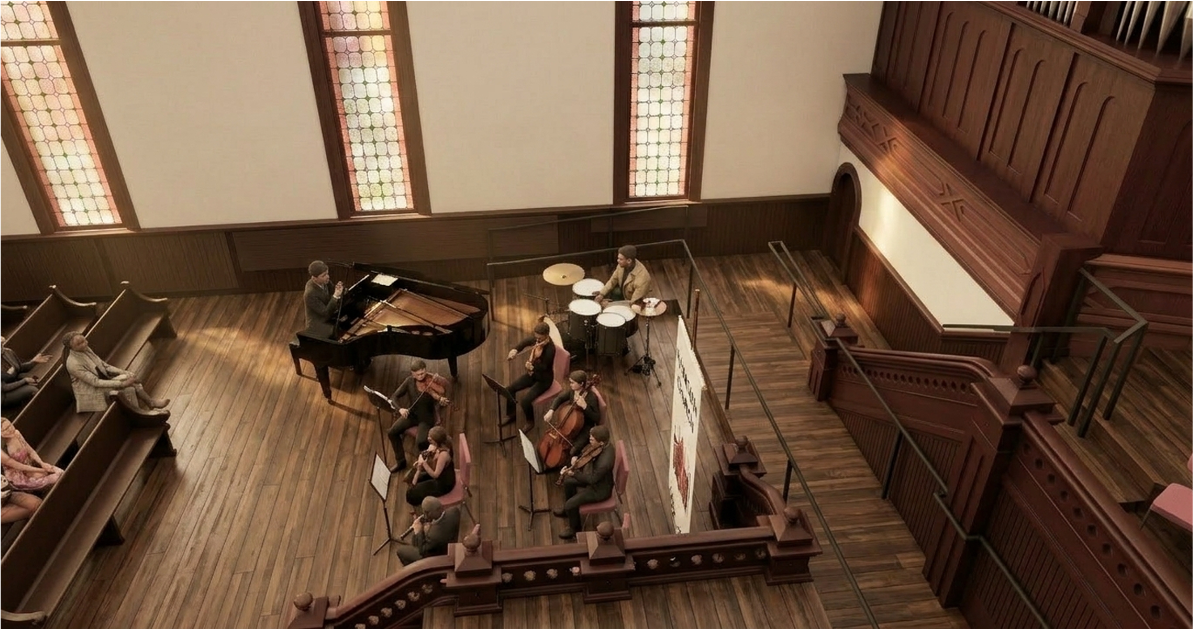
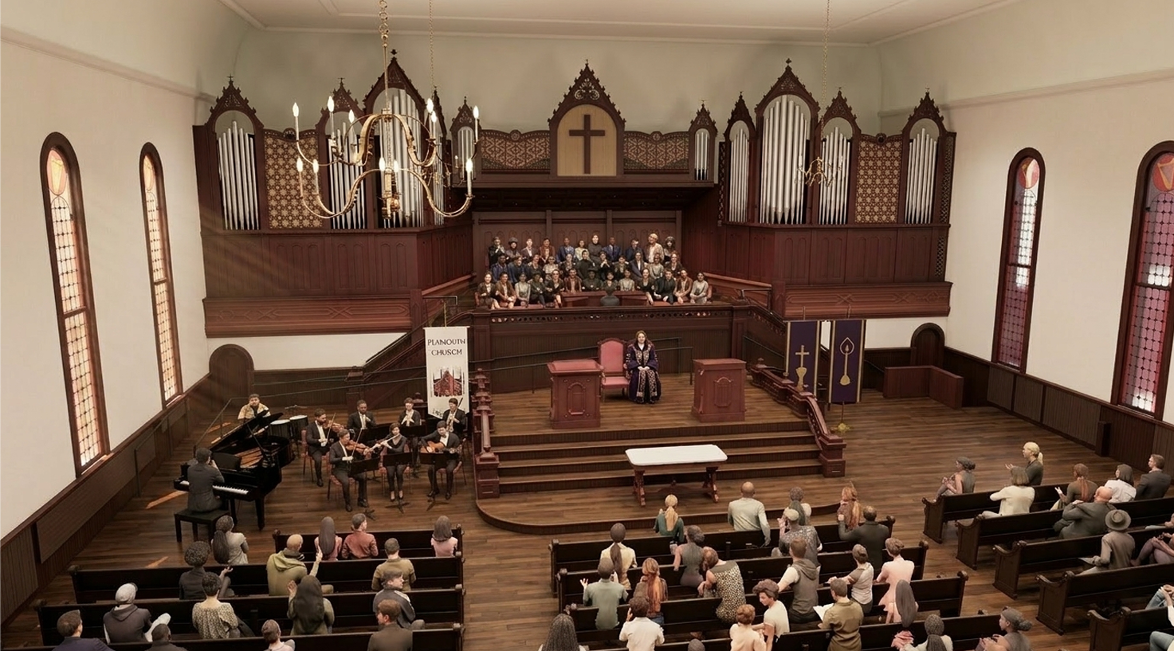

Enter in Videos
Enter In Project FAQs
In considering changes to our sanctuary, we are not only discussing architecture, but also asking how our physical space reflects our shared commitments to accessibility, community, beauty, justice, and reverence. Faithful discernment requires honest listening, respect for differing experiences of worship and spirituality, and humility about the trade-offs involved in any decision.
-
A: The proposed project intends to address concerns related to accessibility, sightlines, acoustics, programming flexibility, and organ functionality, while also seeking to honor the historic and spiritual character of the sanctuary. Organ functionality has been a long-standing concern at Plymouth, and there has been momentum in the Congregation for over a decade to replace the organ.
-
A: Yes and no. A contract has been signed for purchase of the organ, and on January 7, 2026, a final design template for the organ and casework was approved by Church Council subject to technical changes and budget priorities. On January 7, Council accepted from PMC the basic design for an expanded chancel to present to the congregation. During the called congregational meeting on February 22nd, the congregation voted to not expand the chancel. The PMC worked through multiple design options to make the chancel accessible.
The Council is still seeking feedback and will make a decision about the final design in August.
-
A: Current plans explore the addition of a lift concealed within the organ casework to provide access to the rear portion of the choir loft. Stairs would still be required for most access. The proposal increases access for some choir members but does not provide full accessibility for all users, such as wheelchair users, throughout the loft. Cost and potential noise are other concerns identified by the PMC.
-
A: Three approaches have been evaluated: maintaining the current configuration; adding ramps; or installing a lift. Each option presents trade-offs related to cost, space usage, aesthetics, noise, and user experience. Ramps require significant space and affect seating and programming flexibility, while lifts offer a smaller footprint but may raise concerns about noise, expense, and user acceptance. Cost and aesthetics have also been raised as concerns by the PMC. The Council developed Design Priorities during the March 24th Council Meeting. After considering multiple perspectives, they voted on a list of options and unanimously prioritized user adoption, inclusion and dignity. The following priorities were also chosen at least more than once: safety (users and egress in emergency), choices and options, not interfering with worship and flow, historic beauty of chancel and historic character, ease of use/independent use, cost - no debt, and preference for a ramp as per the Accessibility Subcommittee.
Over 100 people participated in 3 information sessions in May and June on chancel accessibility.
The Council is still seeking feedback and will make a decision about the final design in August.
-
Some congregants currently have limited visibility of speakers and musicians. Under the proposed design, the chancel itself would be 7 inches lower than the current chancel. The pulpit and lectern would be pulled forward so that sightlines to the pastors and lay leaders remain, but sightlines to the center of the chancel for events will likely be slightly more difficult than they are currently. Sightlines to musicians and events occurring on either side of the current chancel will be somewhat enhanced as the expanded chancel will elevate participants using these spaces by 28 inches, allowing for better sightlines to front-row performers and more challenging sight lines for those behind. Sightlines from the balcony will remain challenging as improvements to the balcony were not possible in the current Enter-In Budget.
-
A: The proposal includes lowering the choir loft by approximately ten inches, widening and flaring the space, improving the sightlines between the organist and the choir, and removing the screen at the top of the chancel wall, which improves the sightlines between the choir and the congregation and to some degree, between the choir and the chancel. The flat ceiling design above the choir will enhance acoustics and lighting for choir members.
-
A: Potential advantages include improved visibility between the choir and the director, acoustic and lighting improvements, and space for additional choir members. Disadvantages include significant cost, construction complexity, HVAC rerouting, and limited improvement in true accessibility.
-
A: PCC is purchasing a new organ, therefore new casework is needed to physically house the organ'snew pipes. This new casework desi gn considers acoustics, lighting, historic references, reuse of existing woodwork, and visual integration within the sanctuary. The design is intended to honor existing architectural motifs while improving functionality and access for maintenance.
-
A: The proposal seeks to preserve significant historic elements, including walnut wall panels, handrails, and architectural motifs. Some features, such as the two small, round stained-glass windows, would be covered from the inside but not removed. Concerns remain about scale, symbolism, and the perception of change to the historic sanctuary character. The PMC has been working with the State Historic Preservation Office (SHPO) and will continue to respond to recommendations from them. The most recent change by SHPO was on February 4th of 2025 when the architects learned that the existing walnut wall between the chancel and the organ could not be removed. Our final design must be approved by SHPO, but before we can pull a permit to begin work, we must also have the approval of the local Historic Preservation Office. Plymouth is on the National Historic Registry, so although we are working hard to maximize tax credits, even if tax credits were not in play, we are required to work within the guidelines of these two government offices.
-
A: Flexibility refers to the ability to accommodate varied worship styles, musical ensembles, liturgical arrangements, and performances.
-
A: All decisions since the February 22, 2026 Called Congregational Meeting have and will be made by the Church Council. The Council will rely on the Project Management Committee to work through details and make recommendations to the Council as needed.